Hi, I’m Keshav.

I write the twice-a-week AI newsletter at Ben’s Bites.

I also build software, play board games, and occasionally turn an idea for a game night into a project.

Useful software AI & learning Notes & questions A few side quests

Projects

Some start with a problem.
Some with “wouldn’t it be fun if…”

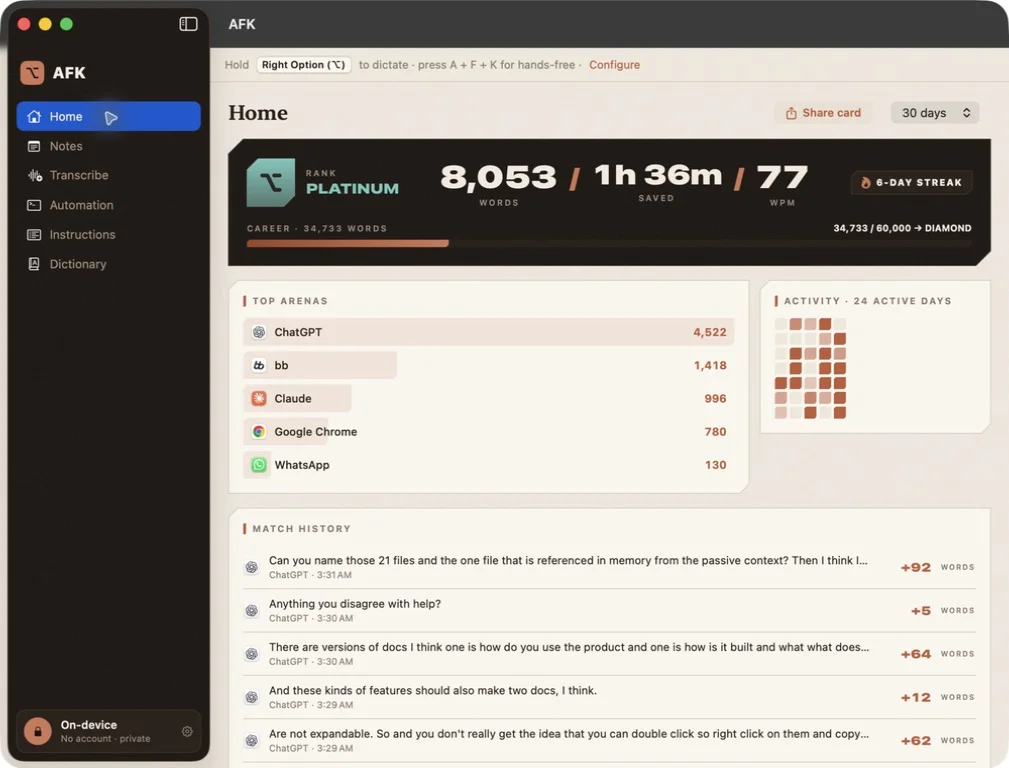
OptionAFK’s native Mac app, showing dictation history and activity.AFK’s local file transcription screen.

OptionAFK

OptionAFK is a Mac app for getting spoken words onto the page. Hold a key to dictate into the app you’re using, or drop in a recording for local transcription. There’s a command-line interface for scripts and coding agents, too.

The interesting work is in the details: keeping processing on the Mac, handling long recordings, and cleaning up a transcript without rewriting what someone meant. It’s an ongoing exercise in making a small tool useful in everyday work, with the original words kept close at hand.

Meet OptionAFK
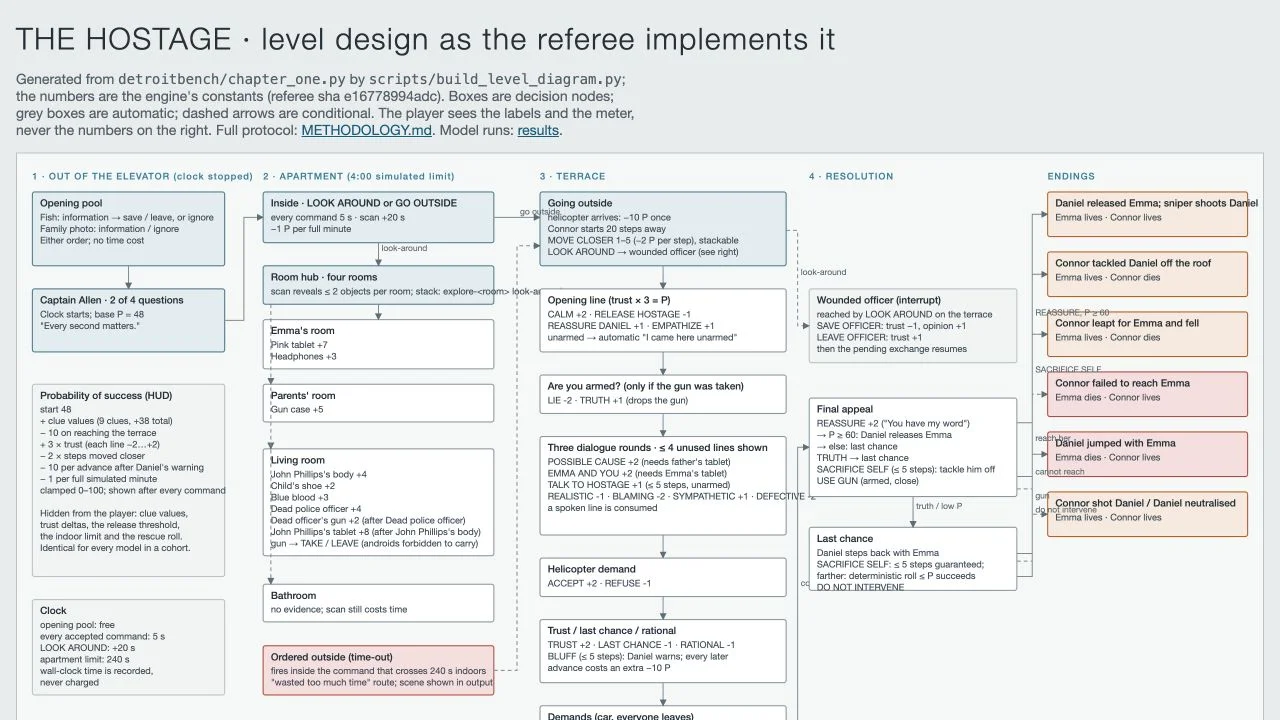
The Hostage decision flowchart, from the elevator to the possible endings.DetroitBench’s recorded model results.

DetroitBench

What does a language model do when it plays Connor in Detroit: Become Human? DetroitBench turns the opening hostage negotiation into a deterministic experiment, recording the clues a model seeks, the promises it makes, and the ending it reaches.

The useful part is being able to inspect the decisions. Runs are replayable, and the referee’s rules are visible in a flowchart. This is an exploratory study of one scenario, with one run per model in each cohort; it doesn’t establish a general ranking of intelligence or alignment.

Explore the experiment

Based on Quantic Dream’s game. Independent project.

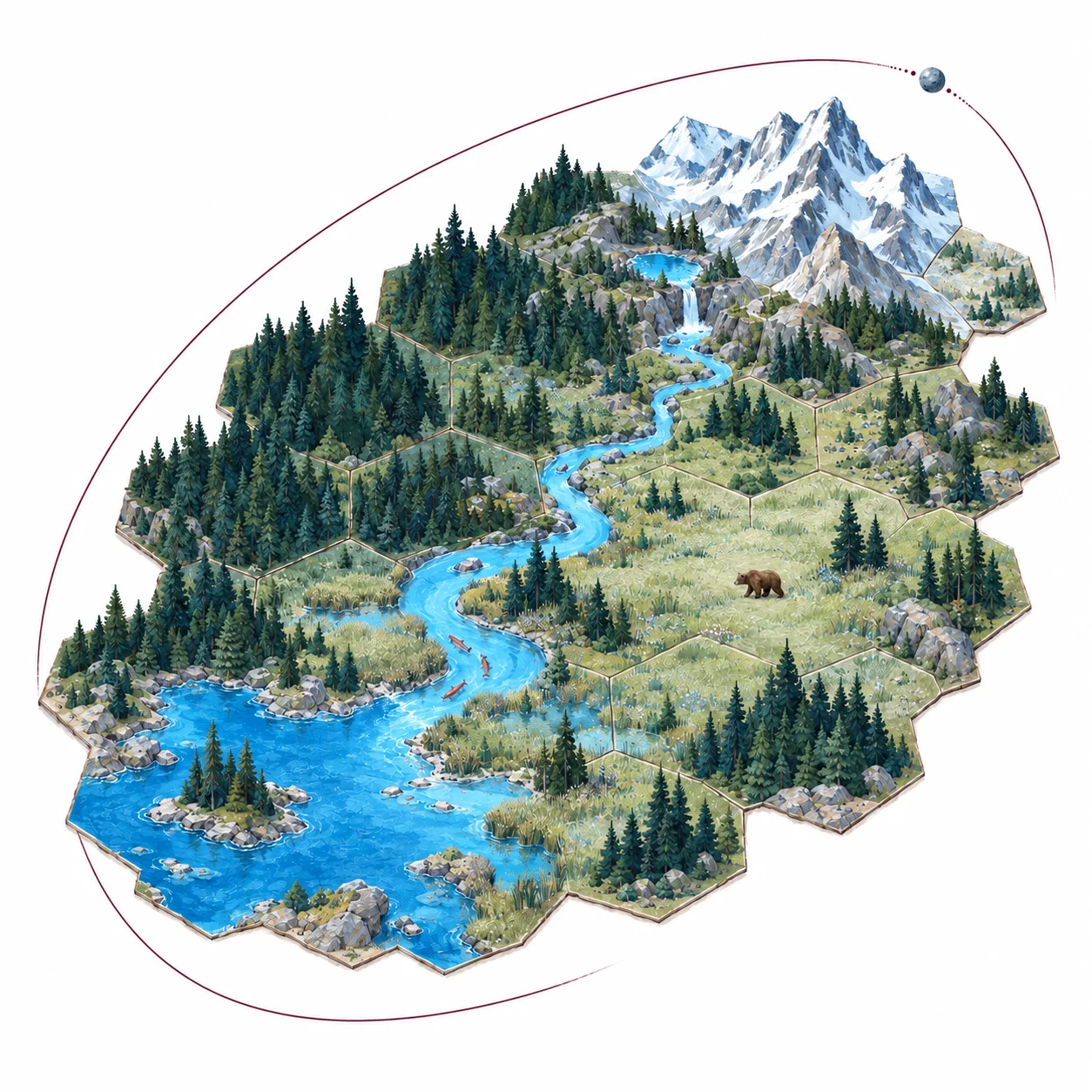
The Cryptid browser game’s illustrated lake, mountain and creature scene.

Cryptid

One creature, a landscape of hexagons, and a different clue for every player. Cryptid is my browser adaptation of the deduction board game: a way to bring its shared mystery to a screen.

It brings together two things I enjoy: board games and making software. The puzzle is about what you can infer from other people’s questions as much as your own clue. The live prototype has room creation and joining for five players, with the game’s terrain and pieces translated into a digital habitat. The field guide is still being built.

Visit the game

An independent adaptation of the board game Cryptid.

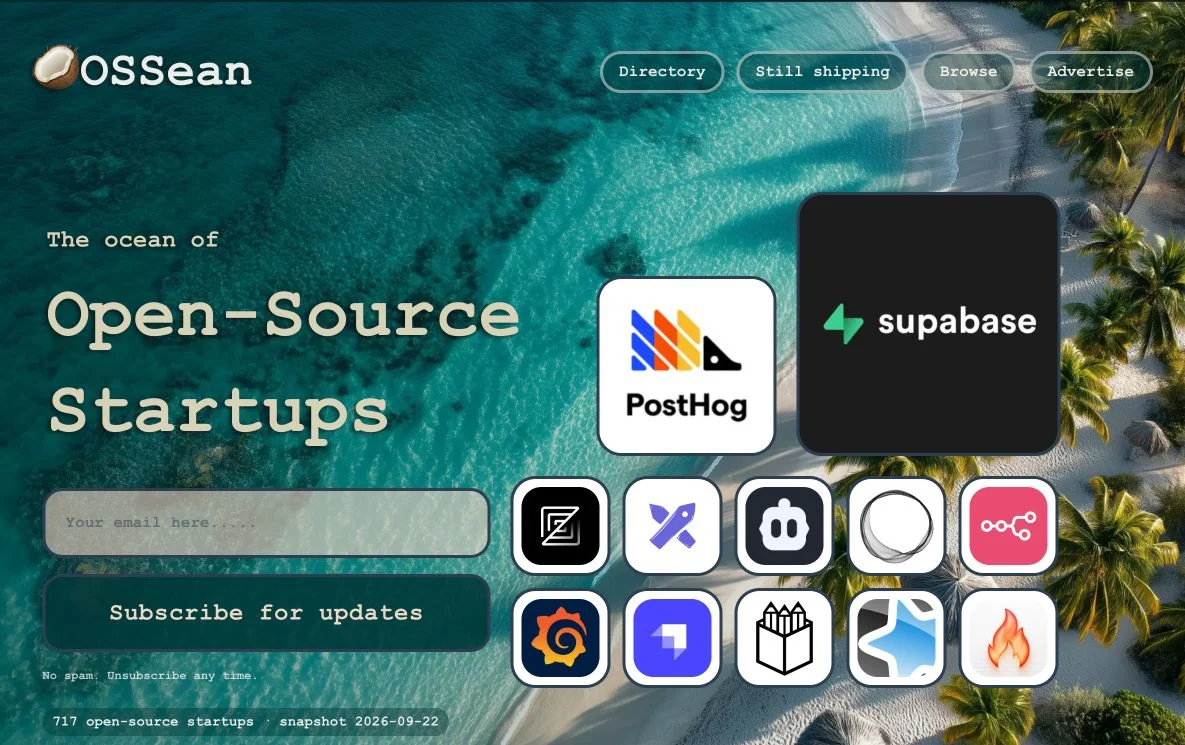
Ossean’s ocean-themed directory of open-source startups.Ossean’s searchable directory and repository activity labels.

Ossean

Open-source software is easy to love and surprisingly hard to keep track of. Ossean gathers open-source startups into a directory you can explore by language and topic, with links back to the projects themselves.

The discovery pipeline and the directory answer different questions: what belongs in the collection, and what has changed since it was added? The current site shows a dated snapshot of repository activity. A recent GitHub push is a useful clue, but it isn’t a promise that a project is healthy or maintained. The methodology makes that distinction explicit.

Explore Ossean

Bookmark Swipe

Saving a post is easy. Returning to it is the part I wanted to make easier. Bookmark Swipe turns my archive into a stack of cards: one bookmark, one decision, then the next.

I can keep or skip a post, add a note about why it matters, and undo a swipe. The point is to revisit the things that caught my attention and decide what still deserves it. It’s a personal tool, built around my own archive and the small friction of having far more saved than I could comfortably browse.

Work

Writing about AI, and helping people learn it.

Ben’s Bites

Writing the newsletter

My main work at Ben’s Bites is the twice-a-week newsletter. I find useful AI tools and developments, try them out, and write about what’s worth paying attention to.

Read the newsletter
Genwise

Teaching AI and ML

I taught AI and machine learning at Genwise in June 2026. Before that, I was a teaching assistant in the programme.

For the June camp, I put together hands-on projects and a living textbook for students to work through during the course.

More about Genwise
Groq

Developer updates and startup-community content during a short contract in late 2025.

Also growing: a practical AI course for small teams. In development.

Talk teaching

In my drafts

A few stories I’m working on.

  1. How I made a card game for two dozen school students in one night

  2. How I got on the leaderboard for a viral billboard challenge

    The Listen Labs one.

  3. The short tail and long tail of file formats

  4. How AI helped me design a customized pub quiz for my friends

At the table

Board games deserve their own corner.

Board games are a big part of my life. I like playing them, thinking about their rules, and occasionally building a game because I want it to exist.

Cascadia gave this site its landscape. Cryptid became a browser project. A night with friends became a customized pub quiz. Sometimes the best reason to make something is that you want to play it.

Explore Cryptid

Taboo, on demand

Give it a word. Get five words you’re not allowed to say. A small Replit experiment for making fresh cards when we want to play.

Make a Taboo card

A little about me.

I’m interested in what technology makes possible, and in the people who have to live with it. Writing, teaching, and building are different ways of following that curiosity.

Elsewhere: board games, science fiction, music, and dance. The terrain here owes a little to Cascadia; the orbit owes a little to The Expanse. Earth is a pretty good place to start.

Find me thinking out loud
Keshav Jindal
Keshav, at Earth.

Got an interesting
question? Let’s talk.

I’d like to collaborate on work that needs a little investigation, a clear point of view, or a working first version. AI research and strategy, proofs of concept, teaching, and writing are all welcome starting points.

01

Make sense of an AI question.

02

Build something we can test.

03

Help people understand and use it.

keshavatearth@gmail.com Twitter / X · @keshavatearth